


 |
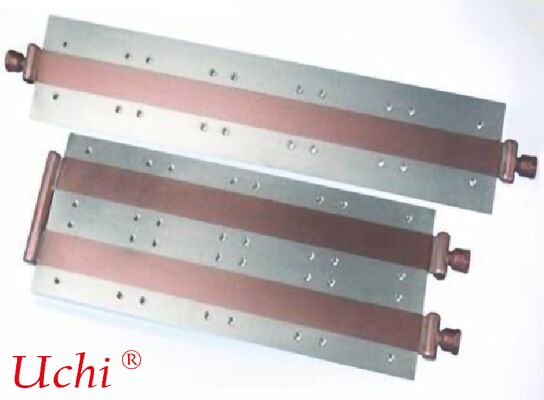
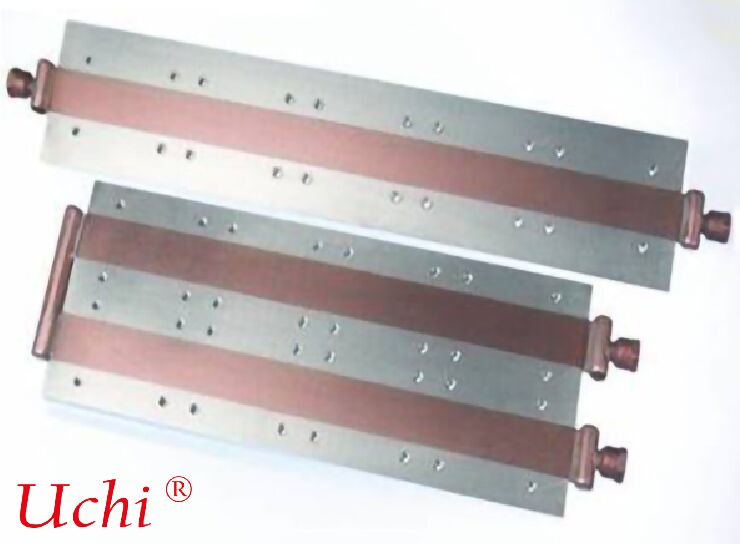
Placa de refrigeración líquida integrada en el radiador con aletas de disipación de calor
Datos del producto:
| Lugar de origen: | Dongguan, Guangdong, China |
| Nombre de la marca: | Uchi |
| Certificación: | SMC |
| Número de modelo: | Disipador de calor |
Pago y Envío Términos:
| Cantidad de orden mínima: | 100 piezas |
|---|---|
| Precio: | 1300-1500 dollars |
| Tiempo de entrega: | No limitado |
| Condiciones de pago: | T/T, Paypal, Western Union, |
| Capacidad de la fuente: | 50000000 unidades por mes |
|
Información detallada |
|||
| material del disipador de calor: | Aluminio | Acabado superficial: | Acabado de fábrica o anodizado. |
|---|---|---|---|
| Material: | Cobre / Aluminio | vida de fan: | 100000 horas |
| Proceso profundo: | mecanizado cnc | Potencia conductora: | 2000 W |
| Tolerancia: | ±1% | Proceso adicional: | mecanizado cnc |
| Precisión: | Se aplicarán las siguientes medidas: | Presión máxima: | 5 bares |
| Rango de temperatura de funcionamiento: | -40°C a 120°C | textura del material: | 6061 |
| Resaltar: | Placa de refrigeración líquida integrada en el radiador,Placa de refrigeración líquida con aletas de disipación de calor,Placa de radiador de refrigeración líquida de alto rendimiento |
||
Descripción de producto
Placa de refrigeración líquida integrada con radiador
En términos sencillos: Placa de refrigeración líquida integrada con radiador = Placa de refrigeración líquida + aletas de disipación de calor integradas
Se acopla a dispositivos que generan calor por un lado y presenta aletas densas por el otro. El calor se transfiere al área de las aletas mediante la circulación del refrigerante, formando una solución de refrigeración líquida compacta y todo en uno.
I. Características Estructurales
Superficie de Unión (Lado de la Placa Fría)
Superficie plana que se acopla directamente a IGBTs, módulos de potencia, baterías, motores y otros componentes que generan calor.
Lado de Disipación de Calor de las Aletas (Lado del Radiador)
Los canales de flujo internos se extienden a la región de aletas densas, formando una estructura similar a un radiador.
A medida que el refrigerante fluye, el calor se transporta a las aletas y se disipa mediante refrigeración por aire o convección natural.
Estructura Totalmente Integrada
Mayormente fabricada en una sola pieza mediante corte, fundición a presión o soldadura fuerte,
eliminando el complejo ensamblaje de radiadores y tubos de agua separados.
II. Principio de Funcionamiento
- Calor de los componentes → se conduce a la base de la placa de refrigeración líquida
- El refrigerante fluye a través de los canales internos y absorbe calor
- El refrigerante calentado fluye hacia la sección del radiador con aletas
- Las aletas liberan calor al entorno a través de ventiladores o flujo de aire natural
- El refrigerante enfriado circula de regreso para repetir el proceso
Es una solución híbrida que combina transferencia de calor por refrigeración líquida y disipación final por refrigeración por aire.
III. Ventajas Clave
-
Estructura compacta y alta integraciónEl diseño todo en uno ahorra espacio, reduce conectores y puntos de fuga.
-
Instalación sencillaMontado directamente en los componentes; solo se necesitan una bomba y un depósito externos, sin radiador adicional.
-
Disipación de calor uniformeExcelente uniformidad de temperatura en la placa base, evitando puntos calientes locales.
-
Alta fiabilidadLa estructura soldada o cortada proporciona una fuerte resistencia a las vibraciones, ideal para aplicaciones automotrices e industriales.
IV. Procesos de Fabricación Comunes
-
Placa de refrigeración líquida integrada con radiador cortadoLas aletas y los canales de flujo se mecanizan a partir de un solo bloque de aluminio, ofreciendo alta resistencia y conductividad térmica continua.
-
Tipo de soldadura fuerte al vacíoLa placa base y las aletas se unen mediante soldadura fuerte, con aletas más densas y mayor área de disipación de calor.
-
Tipo de fundición a presión integralAdecuado para producción en masa y bajo costo, ampliamente utilizado en la gestión térmica de vehículos de pasajeros.
V. Aplicaciones Típicas
- Vehículos de nueva energía: refrigeración integrada para motores, ECU, OBC, convertidores DC-DC
- Convertidores de almacenamiento de energía (PCS), inversores fotovoltaicos
- Servodrives industriales, fuentes de alimentación de alta potencia
- Equipos láser, máquinas de soldar, fuentes de alimentación de alta frecuencia
- Maquinaria de construcción, refrigeración de controladores de vehículos comerciales
VI. Diferencia con las Placas de Refrigeración Líquida Estándar
- Placa de refrigeración líquida estándar: solo absorbe y transfiere calor; no disipa calor directamente al entorno.
- Placa de refrigeración líquida integrada con radiador: absorbe calor, circula internamente y disipa calor a través de sus propias aletas, formando un sistema de refrigeración compacto completo.
Quiere saber más detalles sobre este producto
